
Eco-Driving Techniques: Fuel-Efficient Habits for Sydney’s Stop-Start Traffic
Introduction
Fuel prices across Sydney continue to rise — and for many families, driving has become one of the biggest weekly expenses. At the same time, more drivers are thinking about their environmental footprint and how everyday habits behind the wheel can reduce emissions and save money.
Eco-driving isn’t about complicated tricks or driving slowly everywhere. It’s about developing smooth, predictable habits that keep your engine working efficiently — especially in Sydney’s busy, stop-start traffic. At Driven to Drive Driving School, we help learners build these skills early, so they develop fuel-smart habits for life while still driving safely and confidently.
Section 1: Understanding How Driving Affects Fuel Consumption
Acceleration and braking patterns
Hard acceleration wastes fuel because the engine works harder than necessary. Likewise, frequent heavy braking means energy has already been burnt unnecessarily. Smooth transitions conserve fuel — and reduce wear on brakes and tyres.
Speed and fuel efficiency
Most vehicles are most efficient at steady speeds — sudden increases or decreases cause the engine to use more fuel. Staying within the speed limit and driving smoothly is both safer and cheaper.
Engine load matters
Carrying heavy items, towing unnecessarily, or overloading the vehicle increases fuel demand. Even roof racks increase wind resistance — meaning the car burns more fuel simply to maintain speed.
Sydney’s traffic conditions
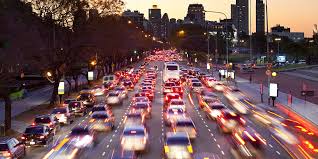
Stop-start traffic, traffic lights, pedestrians, roadworks, and busy intersections all force frequent acceleration and braking. Eco-driving helps manage these conditions calmly and efficiently — without rushing or aggressive manoeuvres.
Section 2: Smooth Acceleration & Braking
- Gentle acceleration from stops — build speed gradually.
- Anticipate traffic flow — look ahead, not just at the car in front.
- Coast to red lights where safe — easing off early often means you roll to a smoother stop.
- Use engine braking sensibly (especially in manuals) — lifting off the accelerator can slow the car without excessive brake use.
Learners quickly notice the difference: the car feels calmer, passengers are more comfortable, and fuel usage decreases.
Section 3: Optimal Speed Management
The sweet spot
Most cars operate efficiently around 50–80 km/h, depending on road conditions and vehicle type. (Always prioritise the posted limit and conditions over economy.)
Cruise control on motorways and expressways
On long, steady stretches, cruise control can help avoid unnecessary speed fluctuations — provided traffic and weather conditions are appropriate.
Avoid rapid speed changes
Sudden surges are fuel-heavy and risky. Keep your driving predictable and steady.
Read the road ahead
Watch traffic lights, merging lanes, and slow-moving vehicles early. Staying in sync with the flow reduces braking and saves fuel.
Section 4: Reducing Unnecessary Weight & Drag
- Clear out the boot — remove sports gear, tools, or boxes not needed.
- Remove roof racks when not in use — they create drag and increase fuel burn.
- Check tyre pressure regularly — under-inflated tyres increase rolling resistance.
- Use air-conditioning wisely — A/C increases engine load, but at higher speeds it may be more efficient than driving with windows fully open (which increases drag).
Small changes add up across months of driving.
Section 5: Route Planning & Traffic Awareness
- Avoid peak-hour when possible — leaving 10 minutes earlier can sometimes save 30 minutes of fuel-heavy traffic.
- Use GPS efficiently — modern navigation systems can suggest fuel-efficient routes, not just the fastest.
- Combine errands — one longer trip uses less fuel than several short cold-engine trips.
- Sometimes toll roads save fuel — fewer stops and steadier speeds can offset the toll cost.
Eco-driving is about thinking ahead — not reacting at the last second.
Section 6: Stop-Start Traffic Strategies
Sydney drivers know what bumper-to-bumper really feels like. These strategies help:
- Maintain a safe following gap — it reduces the need for constant braking.
- Turn off the engine during extended stops (where appropriate and safe — particularly in modern vehicles with start-stop systems).
- Use higher gears sooner in manuals when the engine isn’t struggling.
- Stay patient — aggressive lane-changing rarely gets you there faster and always costs fuel.
Calm driving lowers stress — for you and everyone around you.
Section 7: Vehicle Maintenance for Efficiency
- Regular servicing — ensures the engine runs efficiently.
- Clean air filters — dirty filters force the engine to work harder.
- Fuel system maintenance — prevents build-up that affects performance.
- Use the correct fuel grade — follow your manufacturer’s recommendation rather than assuming “premium” is always better.
A well-maintained vehicle is safer, cheaper to run, and more reliable.
Real-Life Eco-Driving Scenarios (Sydney)
1️⃣ Mascot morning traffic
A learner approaches multiple red lights. Instead of accelerating to each one, they ease off early — using gentle braking only at the end.
Result: smoother ride, less fuel, and no harsh stops.
2️⃣ Maroubra coastal roads
A learner removes a roof rack before regular weekday commuting.
Result: noticeable improvement in fuel economy — especially at higher speeds.
3️⃣ School zone slowdown
Approaching a 40 km/h school zone, the learner reduces speed early rather than braking late.
Result: safer, smoother, and fuel-efficient — while fully complying with NSW rules.
The Bigger Picture: Eco-Driving Builds Safer Drivers
Eco-driving reinforces the same habits NSW authorities promote:
- anticipating hazards
- keeping safe gaps
- staying calm under pressure
- avoiding unnecessary risk
These are the same principles our instructors teach every day — including during the Safer Drivers Course, where learners build hazard awareness and decision-making skills that support eco-driving naturally.
Common Mistakes Learners Make (and How to Fix Them)
- Rushing off the line — instead, accelerate gently.
- Tailgating — leads to constant braking (and increases crash risk).
- Carrying unnecessary weight — clear out the boot weekly.
- Late braking — anticipate earlier.
Correcting these habits saves fuel and improves safety.
Conclusion
Eco-driving isn’t about driving slower — it’s about driving smarter. Small, consistent changes can:
- reduce fuel costs
- lower emissions
- extend vehicle life
- create calm, confident drivers
And when learners build these habits from the very beginning, they benefit for years to come.
Ready?
Ready to build safe, confident, fuel-smart driving habits?
Book your lessons with Driven to Drive — South Eastern Sydney’s trusted driving school for over 11 years.
Or join our Safer Drivers Course in Mascot and learn skills that help you drive safely for life.
Disclaimer: This blog provides general driving information only. Always refer to official NSW Government sources for the latest rules, penalties, and licensing requirements.
Government References (recommended reading)
- Transport for NSW — Learner Driver Resources
- Service NSW — Getting Your P1 Licence
- NSW Road User Handbook
- NSW Safer Drivers Course
Ready to Become a Safe, Confident Driver?
Driven to Drive Driving School has supported learners in Mascot and the South Eastern Suburbs for over 11 years, helping them move from Ls to Ps with confidence, calmness, and lifelong safe-driving habits.
📞 0416 321 572
📧 driventodrive@outlook.com
🌐 https://driventodrive.com.au
Join our Safer Drivers Course in Mascot and earn 20 logbook hours while learning the skills to drive safely for life.
Disclaimer
This blog provides general driving information only. Always refer to official NSW Government sources for the latest rules, penalties, and licensing requirements.