
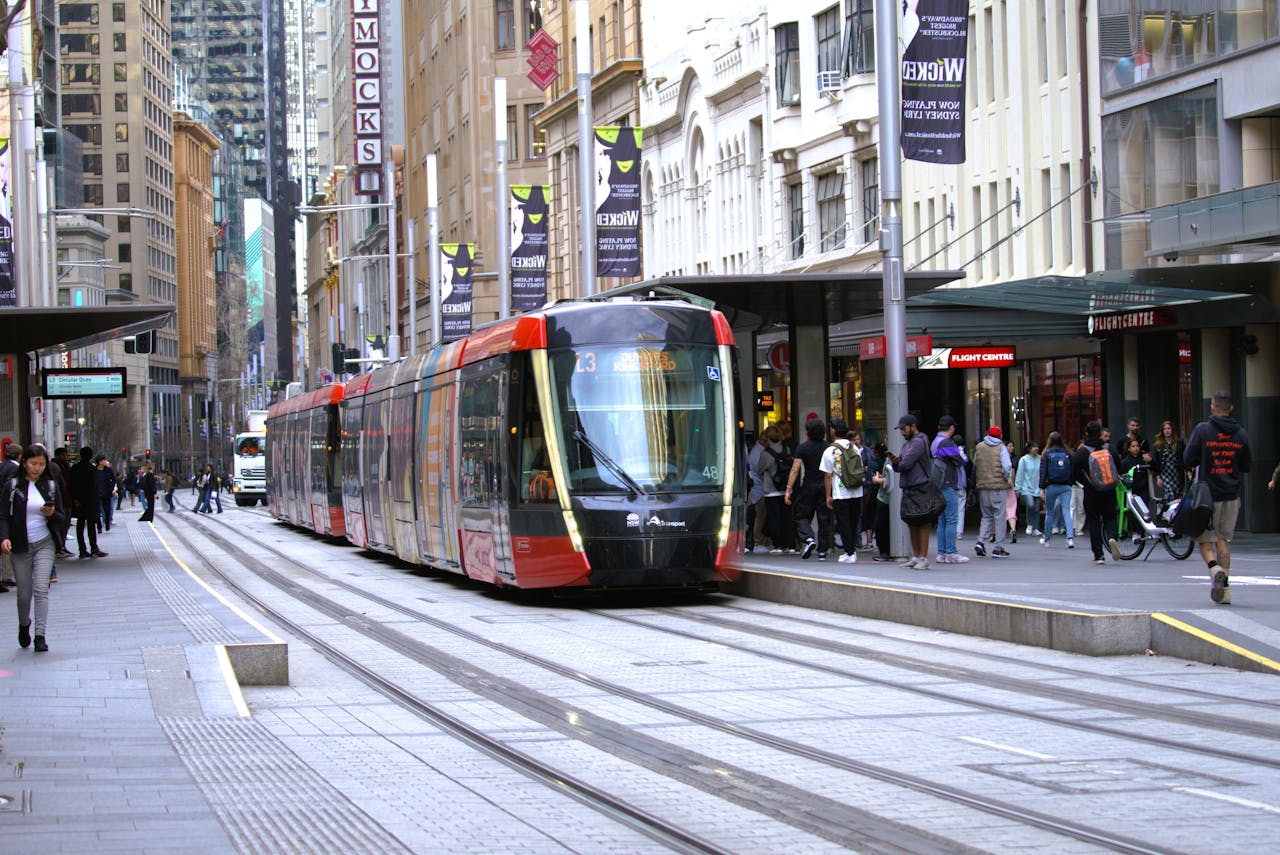
Sydney’s roads are busy, diverse, and full of movement — from commuters rushing to work to trams gliding through intersections and buses stopping every few hundred metres. As a driver, understanding how to safely navigate around public transport isn’t just about following the rules — it’s about keeping yourself, your passengers, and other road users safe.
Whether you’re a learner driver, preparing for your NSW driving test, or simply brushing up on your road skills, knowing how to drive safely around buses, trams, and light rail is essential. Let’s break it down step by step.
Understanding Bus Lane Rules and Operating Hours
Bus lanes are everywhere in Sydney, especially during peak hours. Misusing them is one of the quickest ways to earn a fine — but it’s also easy to avoid if you know the rules.
- Bus lanes are priority lanes for buses during set hours, usually peak times (e.g. 6–10am, 3–7pm weekdays).
- Some vehicles are permitted: taxis, bicycles, motorcycles, and emergency vehicles — check signage to confirm.
- Outside of posted operating hours, regular vehicles can usually use bus lanes, but always check the sign first.
- Never drive in a bus-only lane unless you’re legally allowed — it’s a costly mistake and can cause delays for public transport.
Safe Overtaking of Buses and Giving Way at Bus Stops
Sydney drivers are legally required to give way to buses pulling out from a designated stop in built-up areas.
- Watch for a bus’s right indicator — slow down and let it merge.
- Keep a safe following distance. Large buses can block your view, so hang back enough to see traffic ahead.
- If overtaking, do so cautiously, leaving plenty of space and watching for pedestrians stepping off the bus.
Light Rail Crossing Safety and Right-of-Way Rules
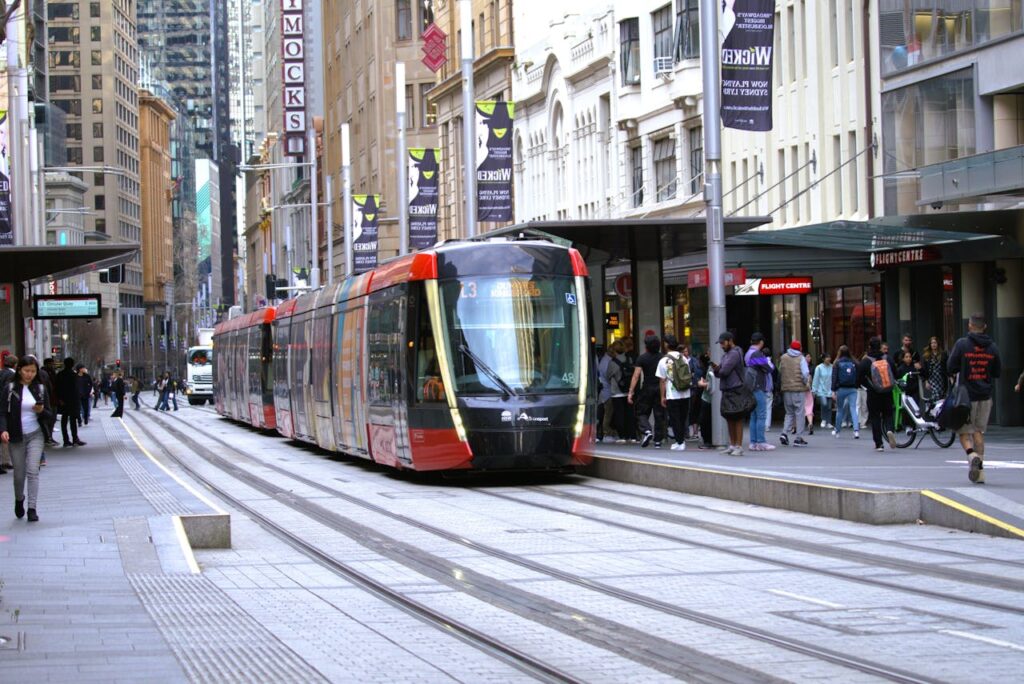
Sydney’s light rail is becoming a bigger part of the transport network, and it requires special attention.
- Trams generally have right of way, unless traffic signals indicate otherwise.
- Never stop or queue on tram tracks — it’s dangerous and can hold up the entire system.
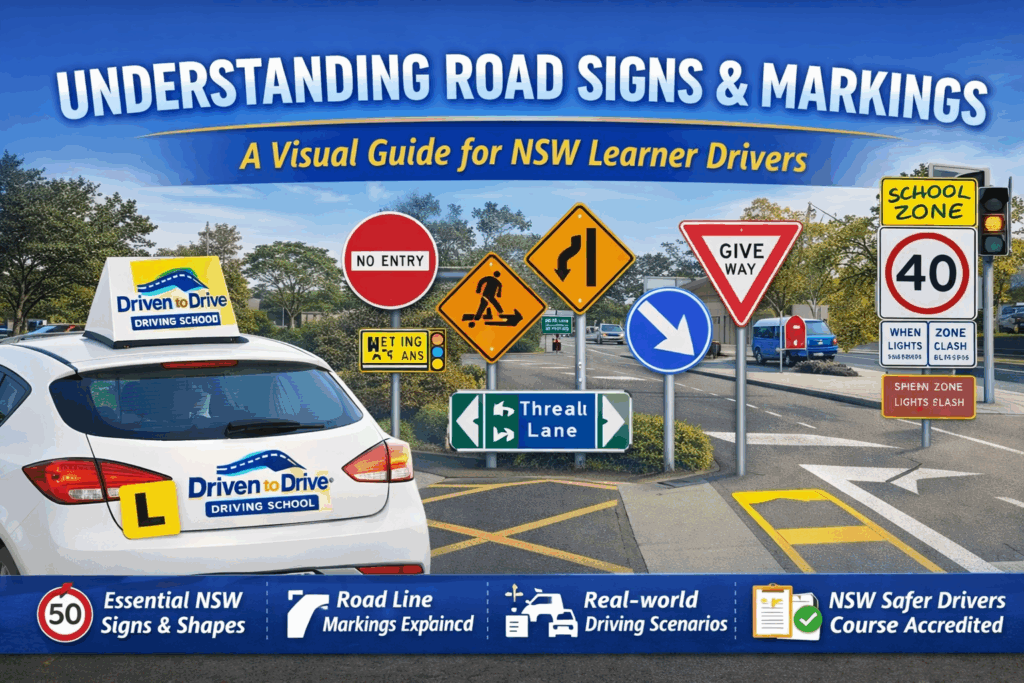
- Learn to recognise tram signals, which differ from standard traffic lights. These are designed to keep trams running efficiently, so stay alert.
Sharing Roads with Cyclists in Dedicated Lanes
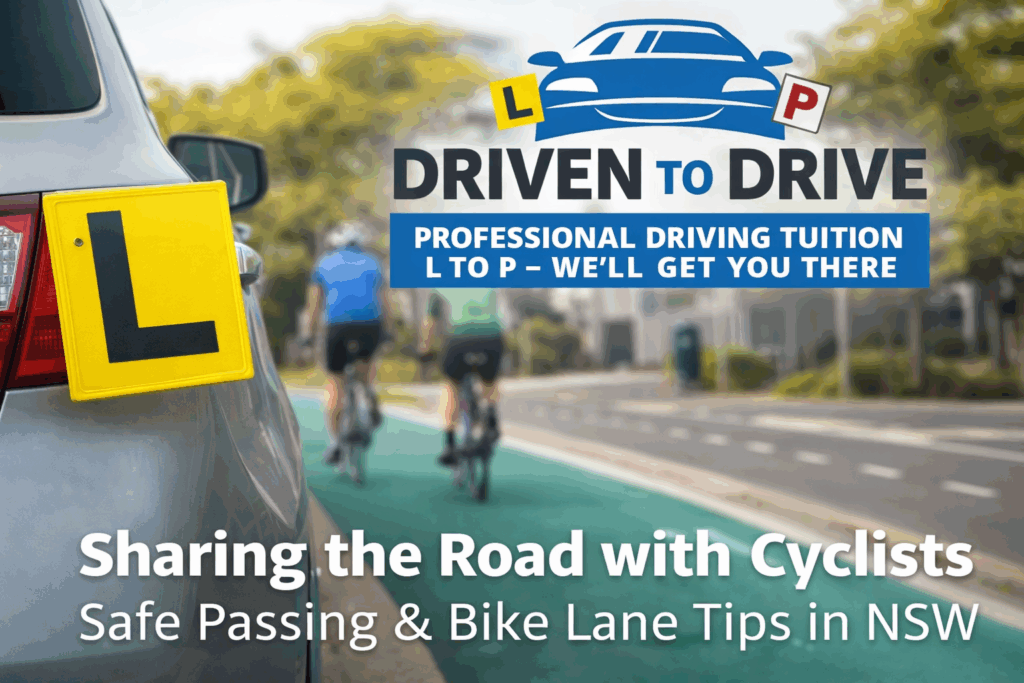
Many public transport corridors also have dedicated cycle lanes, which means more than one type of road user to watch for.
- Check mirrors and blind spots before changing lanes or opening doors.
- Keep at least 1 metre clearance when passing at speeds under 60 km/h (1.5 metres over 60 km/h).
- Stay out of cycle lanes unless absolutely necessary and permitted.
Peak Hour Etiquette Around Transport Hubs
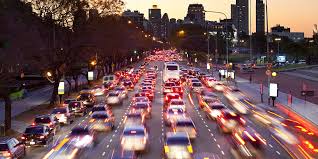
Areas like Central Station, Circular Quay, and Parramatta can get extremely congested during rush hour. Good driving etiquette makes all the difference:
- Slow down and be patient — expect frequent stops from buses and taxis.
- Avoid last-second lane changes just to get ahead — it causes more congestion and increases collision risk.
- Give pedestrians priority at crossings and watch for people running to catch transport.
School Bus Safety and 40 km/h Zones
This one’s non-negotiable: when a school bus has flashing lights, you must slow to 40 km/h — even if the posted speed limit is higher.
Children can cross without warning, so reduce speed early and be ready to stop. These zones are heavily monitored and strictly enforced, so defensive driving is your best friend.
Emergency Vehicle Protocols Near Transport Corridors
Ambulances, fire trucks, and police vehicles often use bus corridors to move quickly.
- When you hear sirens, check mirrors, indicate, and move left safely.
- Don’t stop suddenly near a bus stop, tram crossing, or intersection — you could block emergency access.
Tourist Bus and Coach Considerations in the City
Sydney’s CBD sees hundreds of tourist buses and coaches every day, especially near attractions like the Opera House or Darling Harbour.
- Expect frequent stops and slower movement — these vehicles often carry passengers unfamiliar with local traffic flow.
- Give them extra space for wide turns, especially on narrow city streets.
- Avoid tailgating, as coaches may stop unexpectedly.
Final Thoughts on Driving Safely Around Public Transport
Sharing the road with Sydney’s public transport network requires awareness, patience, and a solid understanding of the rules. By respecting bus lane regulations, yielding to trams, slowing for school buses, and keeping safe distances from larger vehicles, you’ll not only avoid fines but also make the roads safer for everyone.
Defensive, courteous driving helps keep Sydney moving — and sets you up for success if you’re preparing for your NSW driving test or simply want to be a safer driver.
✅ Ready to Take the Next Step?
Book a Night Driving Lesson with Driven to Drive and experience the road with guidance, not guesswork.
🔗 Book Now
🔗 View Lesson Packages
Call: 0416 321 572
Email: driventodrive@outlook.com
Opening hours: Saturday 7:30 am – 4 pm; weekdays & public holidays by appointment
Address: Mascot NSW 2020